Two things get muddled about niacinamide, and both come down to a number or a name.
The percentage arms race
Products now advertise 10%, 12%, occasionally 20%. The implication is a ladder: more is stronger, stronger is better, better costs more.
The research that established niacinamide as useful mostly sits around 2% to 5%. Above that, the evidence for additional benefit thins out considerably while the likelihood of irritation goes up. A number of people who report that niacinamide made their skin red and blotchy were using a high-percentage product and concluded the ingredient did not suit them, when the dose did not.
This is the same pattern as retinol percentages: a number is easy to print on a box and easy to compare, so it becomes the axis of competition regardless of whether it is the axis that matters.
The flushing myth
People worry that niacinamide will make them flush. That fear is real, well-known, and attached to the wrong molecule.
Niacin — nicotinic acid — causes the flushing. It is a different form of vitamin B3, and the effect is best known from high-dose oral supplements: a hot, red, prickling flush across the face and chest.
Niacinamide — nicotinamide — does not do this. Different molecule, similar name, entirely different behaviour.
The confusion is understandable and it has real consequences: people avoid a well-tolerated ingredient because of something a related compound does at oral doses.
So what causes the redness people report?
Usually one of three things, none of them flushing.
- Too high a percentage, as above.
- Something else in the formula — fragrance, a preservative, an alcohol-heavy base. The named active gets the blame because it is the one on the front of the bottle.
- A barrier that was already compromised before the serum arrived. Skin in that state reacts to almost everything, which is why we keep coming back to whether your cleanser is the actual problem.
What to look for on a label
- A percentage in the 4–5% region is a sign a brand has read the research rather than the competition's packaging.
- A short ingredient list if your skin is easily irritated.
- No fragrance, if you have reacted to serums before.
- Silence on the percentage entirely is not automatically bad — but a brand that leads with a big number and says nothing about tolerance has told you what it is competing on.
The general lesson
Both of these are the same failure in different clothes: a number standing in for evidence, and a name standing in for a mechanism. It is the habit that produced "clinical-grade", and it is worth being able to spot, because once you can, most of the shelf reads differently.
Related reading
- Niacinamide: what vitamin B3 actually does for skin
- Can you use niacinamide and vitamin C together?
- Retinol percentages: what the number on the bottle means
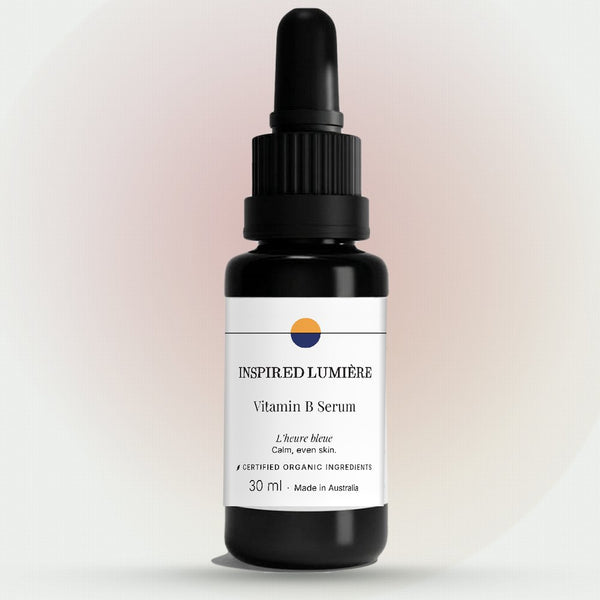
Ours is the Lumière Vitamin B Serum, at 5%.
This article is general information, not personal advice. If you have a skin condition or take prescribed medication, talk to your GP or dermatologist.