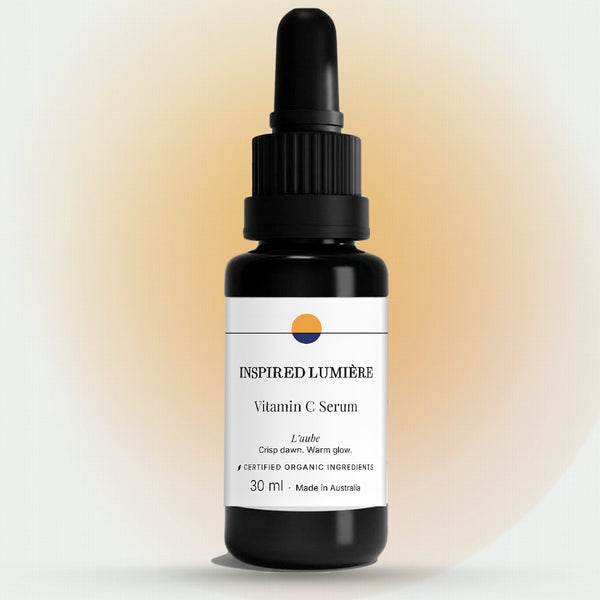
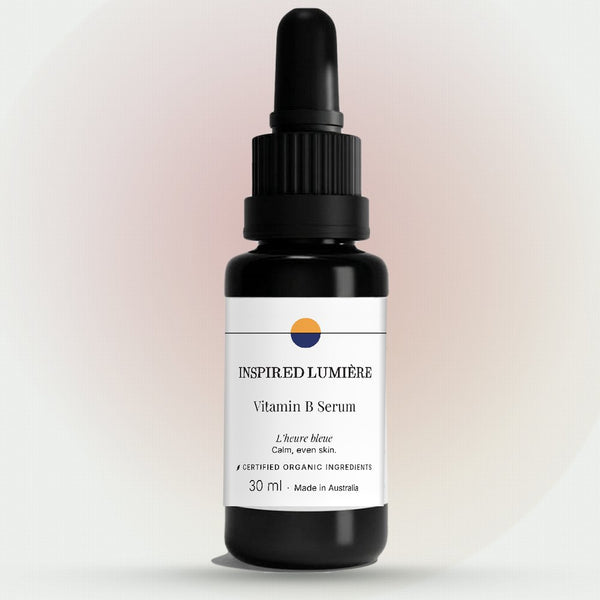
Yes. Next question.
Except the myth is stubborn enough that it deserves a proper answer, because a lot of people are needlessly splitting their routine in two over it.
Where the idea came from
The claim is that niacinamide and vitamin C cancel each other out, or combine to form niacin, which causes flushing.
There's a kernel of truth buried in it. Under laboratory conditions, meaning high heat, particular concentrations and extended time, the two can interact in ways that produce niacin. That research is decades old and describes conditions with very little to do with a bottle on your bench and thirty seconds on your face.
Modern formulations are stable. The interaction needs heat and time that a skincare routine doesn't provide.
What actually happens in practice
Most people can use both, in the same routine, without incident. Plenty of commercial serums contain both deliberately.
The thing that does trip people up isn't chemistry, it's volume. Niacinamide at high percentages can irritate on its own, vitamin C is acidic, and if you're already using a retinol and an exfoliant then adding two more actives to the pile is asking for trouble regardless of how they get along with each other.
If you want to be careful anyway
Nothing wrong with splitting them. Vitamin C in the morning, niacinamide at night is a perfectly reasonable routine, and some people prefer it for reasons that have nothing to do with the myth.
Just don't do it because you're worried they'll neutralise each other. They won't.
A more useful question
The better thing to ask isn't whether two ingredients can coexist. It's whether you need both.
A routine with four actives in it is usually a routine assembled from four different pieces of advice rather than one plan. Most people get more from two products used consistently for six months than from six used erratically for six weeks.
If you're not sure which two, the boring answer holds. Something that cleans without stripping, and something that protects you from UV. Everything else is optional, however good the marketing.
General information, not personal advice.