Cleanser is the step people think about least, and the step most likely to be quietly causing the problem they are buying serums to fix.
Partly that is marketing history. For about thirty years, the sensation of squeaky-clean skin was sold as proof that a product worked. It is closer to proof of the opposite.
What stripping actually means
Your skin has an outer layer of lipids and natural moisturising factors that hold water in and keep irritants out. A cleanser's job is to remove sweat, sunscreen, makeup and the day's grime while leaving that layer more or less intact.
A harsh surfactant does not distinguish. It takes the sunscreen and a good deal of the barrier with it. Skin then spends the next few hours rebuilding — which is fine occasionally, and a problem twice a day for years.
The five signs
1. Tightness after washing. The clearest one. If your face feels tight, taut, or like it needs moisturiser urgently in the ninety seconds after you towel off, the cleanser took too much. Skin should feel comfortable and slightly soft, not squeaky.
2. Your moisturiser stopped working. People usually blame the moisturiser. More often the moisturiser is doing a perfectly normal job of repairing damage done thirty seconds earlier.
3. Actives sting now and didn't before. A compromised barrier lets everything in faster, including things that never bothered you. If your vitamin C suddenly stings when it used to be fine, look at the cleanser before you blame the serum.
4. Oily and dry at once. The classic pattern — shiny by lunchtime, flaking by evening. Strip the barrier reliably enough and oil production often ramps up to compensate. The usual response is to buy something more stripping, which is how people spend years going in the wrong direction.
5. Redness that lingers. Not a flush that fades in ten minutes, but a general low-grade pinkness that has quietly become your normal.
The two-week swap
Change nothing else. Swap only the cleanser for a gentler one, keep the rest of the routine identical, and give it a fortnight.
Nothing else in skincare gives you a cleaner experiment. Every other step sits on top of this one, so if the first step is wrong you are measuring the others through a filter. It is also why cleanser is the sensible thing to fix before starting anything demanding — retinol especially.
What to look for instead
- A gel or cream texture rather than something that foams aggressively. Dense foam is not a measure of cleaning power, it is a measure of surfactant.
- Lukewarm water. Hot water does more stripping than most cleansers.
- Sixty seconds, then off. Cleanser is not a treatment. Leaving it on longer does nothing except extend the contact time.
- Once a day for most people — properly in the evening, water or a very light cleanse in the morning. Two full cleanses a day is a habit, not a requirement.
The uncomfortable part
If a gentle cleanser leaves your skin feeling like nothing much happened, that is the correct outcome. The feeling you were trained to look for was never evidence of anything except that your barrier had been removed along with the dirt.
Related reading
- Double cleansing: who actually needs it
- The order to apply skincare, and why most of it doesn't matter
- Hyaluronic acid in a dry climate: the mistake that backfires
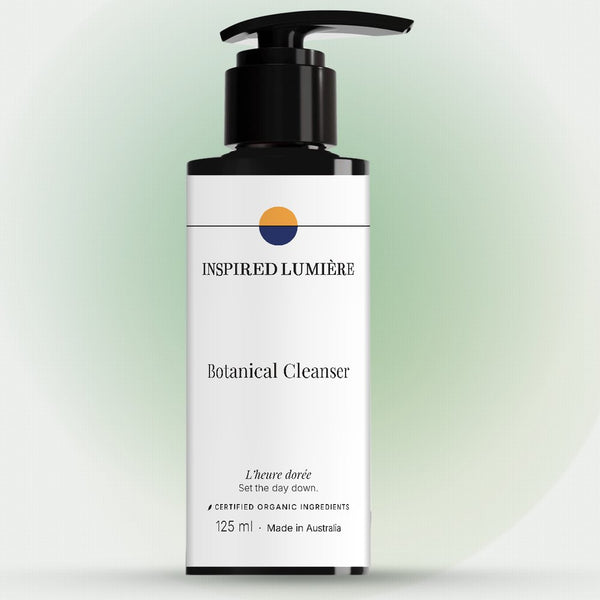
Ours is the Lumière Botanical Cleanser.
This article is general information, not personal advice. If you have a skin condition or take prescribed medication, talk to your GP or dermatologist.