Buying skincare for someone else means guessing at three things you can't see: their skin, what they already use, and what their skin objects to. Get those wrong and a thoughtful present becomes a bottle at the back of a cupboard.
A few rules take most of the guessing out of it.
Choose things that are hard to get wrong
For someone whose skin you don't know, the best skincare gift has three qualities.
- No adjustment period. It should feel good from the first use, rather than asking for weeks of patience before it's pleasant.
- Little or no scent. Fragrance, natural or synthetic, is one of the most common reasons people react to skincare, and scent is personal. What smells lovely to you may be a headache to them.
- Simple to use. It slots into a routine they already have, with instructions no longer than a sentence.
A gentle serum, a light eye gel rather than a heavy cream, a plain moisturiser if you know their skin well — these suit most people most of the time.
The gifts to think twice about
- Retinol. One of the best-evidenced ingredients on the shelf, and one of the worst gifts. It has an adjustment period of dryness and flaking, it's evening-only, it needs sunscreen every morning, and it's not recommended during pregnancy — which you may not know about the person you're buying for. If they've asked for it by name, that's different.
- Strong scent, including essential oils. Natural doesn't mean gentle. Our own cleanser is scented with five essential oils, which is lovely if you like a botanical scent — and exactly why we'd only give it to someone we knew enjoyed one.
- A vitamin C serum they may not open for months. The common L-ascorbic acid kind is fragile, and a bottle that waits in a drawer until March and then gets used slowly may have turned before it's finished.
- Anything aimed at a problem they've never mentioned. Nobody wants to unwrap a dark-circles cream, a "for tired skin" set or a wrinkle serum and wonder what you've been looking at. If they haven't told you something bothers them, don't tell them with a present. A cool, light eye gel is simply nice to use; a jar whose label is a comment is something else.
Ask without asking
If you can, find out what's already on their bathroom shelf, or ask someone who'd know. A passing "what are you using on your face at the moment?" a few weeks before Christmas tells you a lot, and nobody remembers being asked.
If they already use something they love, a second bottle of the same thing is often the most welcome gift there is. It isn't unimaginative. It's attentive.
If they've mentioned wanting to start a retinol or a niacinamide serum, here's how the two differ. As a gift, the one without the adjustment period is the easier choice.
Make it easy to change
- Include a gift receipt, or tell them where it came from, so they can swap it while it's still unopened.
- Keep the box, or the ingredient list. Someone who reacts to a particular ingredient needs to be able to check. The full list has to be on the container, and a good brand will have it online too.
- Suggest a patch test. Not as a warning — as a habit. A week on the side of the neck before something new goes on the face is how anyone should start a product, gift or not. Here's how.
If it's for Christmas, order early
Parcel networks are at their busiest in December. Check Australia Post's Christmas delivery dates for wherever it's going, and leave yourself some slack beyond them. We pack and send orders from Far North Queensland on Mondays, Wednesdays and Fridays, so an order placed on a Friday night doesn't move until Monday.
When in doubt
When you can't find out anything about their skin, choose the thing with the shortest list of ways it could go wrong, and put the rest of the thought into the card.
Related reading
- How to patch test a new skincare product properly
- Retinol or niacinamide: which serum to start with
- Black Friday beauty sales: how to tell a real discount
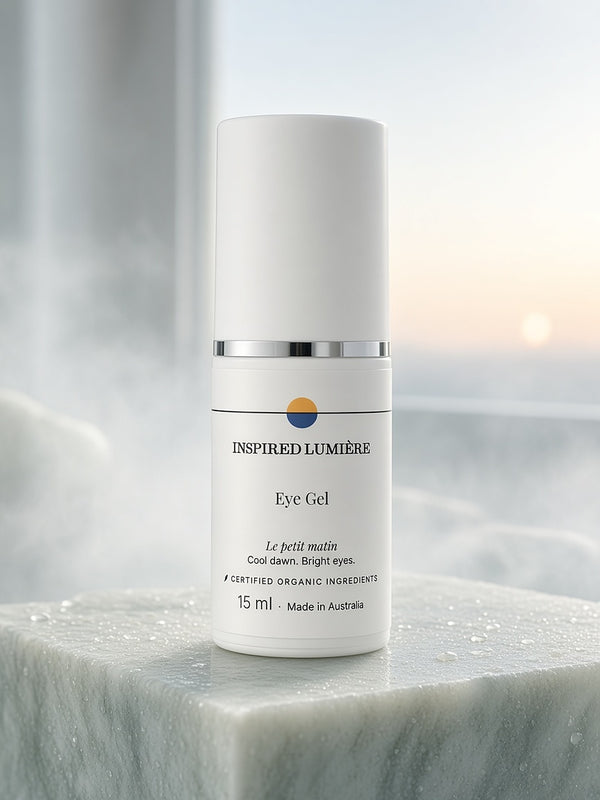
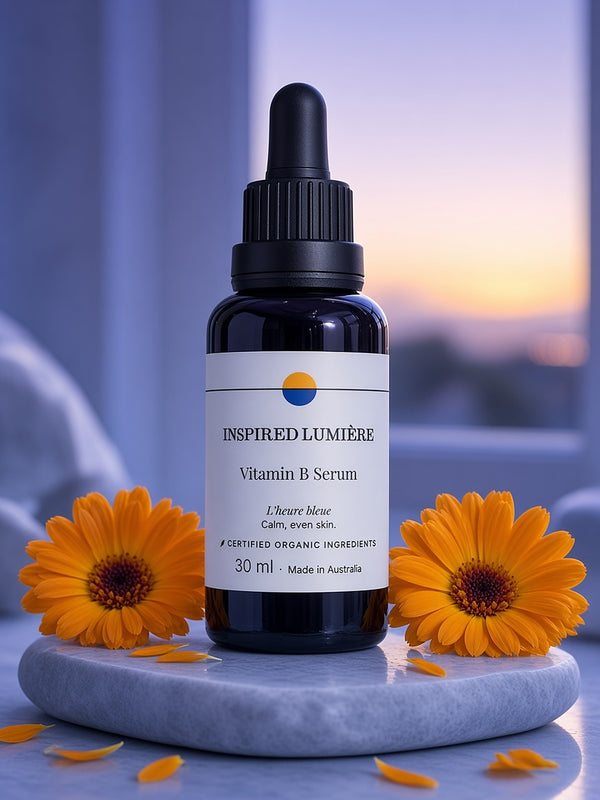
If you're giving one of ours, the Lumière Vitamin B Serum is the easiest to give someone whose skin you don't know, with the Lumière Eye Gel a close second.
This article is general information, not personal advice. If you have a skin condition or take prescribed medication, talk to your GP or dermatologist.