Most people patch test a new product the way they read the terms and conditions: briefly, in the wrong place, and only after something has already gone wrong.
Done properly, a patch test takes about a week and costs nothing but patience. It won't tell you everything. It will tell you the one thing you most want to know before a new bottle goes all over your face.
What a patch test is for
It answers one narrow question: does your skin object to this product, used the way you plan to use it? It's a small rehearsal on a patch of skin you can live with looking unhappy for a few days, instead of on your whole face.
It's most worth doing for anything scented, naturally or otherwise, anything with a long list of botanical extracts, and anything going on skin that has reacted to products before. Natural doesn't mean gentle. Plenty of things that grow in a garden are perfectly capable of upsetting skin.
Where to do it
- The side of the neck, for face products. Just below the ear, or along the jawline. That skin behaves more like the skin on your face than anywhere else you can easily hide.
- The inner arm, if you prefer. It's the classic spot and the one most labels suggest, and it's fine. Just bear in mind that forearm skin is tougher than facial skin, so a quiet week on your arm is a good sign rather than a promise.
- Not on skin that's already unhappy. Skip anywhere freshly shaved, scratched, or still pink from a day in the sun. You want to test the product, not the state your skin was in that day.
How to do it
Leave-on products — serums, moisturisers, eye gels — go on a small spot, about the size of a five-cent coin, twice a day, on the same spot, for about a week. That's similar to the repeated-application method dermatologists use, and the repetition is the point. Some reactions only build after several days of use on the same patch, which is why one dab and a glance the next morning tells you very little.
Rinse-off products — cleansers — are tested the way you'll use them. Massage a little onto the spot for as long as you'd normally wash, rinse it off, and repeat once or twice a day for the week. Leaving a cleanser on your skin for hours tests something you'll never do, and can upset skin that would have been perfectly comfortable with a sixty-second wash.
Look at the spot at the same time each day, in the same light. It's easier to notice a change when you're comparing like with like.
What counts as a fail
- Itching that lingers after you've applied it.
- Stinging or burning that doesn't fade within a minute or so. A brief tingle from some actives is common; a sting that stays is telling you something.
- Redness that's still there the next day, or spreads beyond where you put the product.
- Small bumps, swelling, or a patch that turns rough and flaky while the skin around it is fine.
Any of those: stop, rinse the area with plain water, and leave it alone. There's no need to try again somewhere else to make sure. If the reaction is strong — real swelling, blistering, or spreading well past the patch — see your GP.
A quiet week means it can move to your face. If it contains an active ingredient, start it the way its instructions say, which usually means a few times a week rather than every day.
One new product at a time
The most useful habit in skincare, and the least followed. Start a new serum, a new cleanser and a new moisturiser in the same week, and if your skin objects you have three suspects and no way of telling which one did it. Introduce one product, give it a week or two, then add the next.
It's slower. It's also the only way to know what's working, not just what isn't. And check the basics first: if your face already feels tight after washing it, a stripping cleanser can make everything you put on afterwards look guilty of something the first step did.
What a patch test can't tell you
It won't predict retinol's adjustment period. Retinol is expected to cause some dryness, flaking or redness in the first weeks. That's the ingredient doing what it does, over time, across your whole face — not something you can rehearse on your neck in a week. A patch test can still catch a product you react to outright, but it can't tell you how your skin will feel at week three. We've written about how to tell normal adjustment from a real reaction.
It won't test the sun. Some ingredients make skin more sensitive to sunlight, and a patch under your collar never sees any.
It isn't permanent. Skin changes with the season and with what you're doing to it. A product you've used happily for a year can start to sting after a summer outdoors or a run of over-exfoliating. If something familiar suddenly stings, believe it.
A tingle isn't always a fail. Vitamin C serums in particular can tingle for a moment on application. We explained which kind of sting is worth listening to.
If you've reacted badly before
If you've had a strong reaction to skincare, makeup or fragrance in the past, a home patch test isn't the right tool. A GP or dermatologist can arrange formal patch testing, which can pin down the specific ingredients your skin reacts to. That's far more useful than finding out one bottle at a time.
Related reading
- Retinol purging or a reaction? How to tell the difference
- How to tell if your cleanser is stripping your skin
- How to wash your face: the sixty seconds most people rush
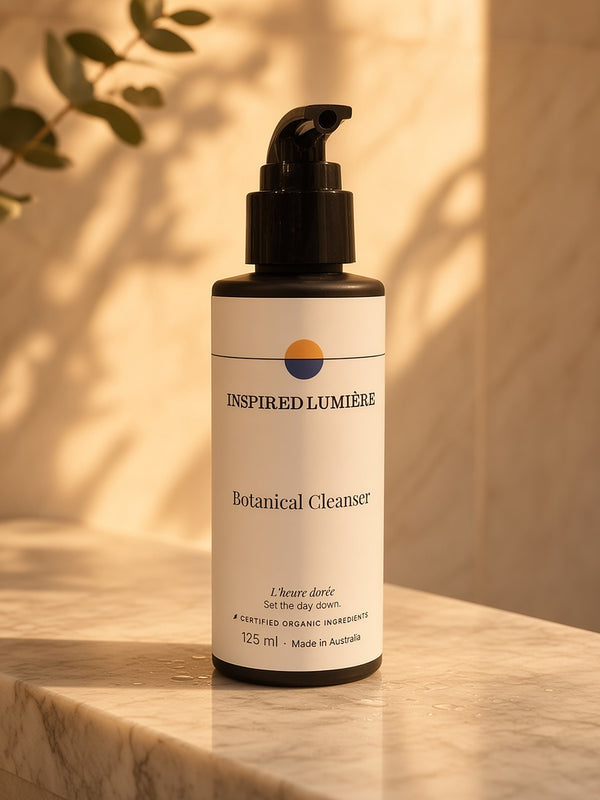
Our Lumière Botanical Cleanser is the one of ours we'd most like you to patch test first, because it's scented with real essential oils.
This article is general information, not personal advice. If you have a skin condition or take prescribed medication, talk to your GP or dermatologist.