Nobody teaches you to wash your face. You pick it up as a child from whoever was standing at the next sink, and plenty of adults are still doing that version: hot water, a splash, a few seconds of foam, a vigorous towel.
It's the step every routine depends on, and the one done fastest. Here's the slower version. It takes about a minute and a half.
Before you start
- Wash your hands first. They've been on your phone, the steering wheel and the dog. Whatever's on them is about to go on your face.
- Lukewarm water, not hot. Hot water feels thorough, and it takes more of the skin's own oils than you want gone. If you wash your face in the shower, turn the temperature down for that part, or do your face at the sink.
- Get your hair out of the way. The hairline is where most people stop washing, and where sunscreen and sweat build up.
The minute itself
Wet your face, then the cleanser. For a gel cleanser, about half a teaspoon is enough to cover face and neck without running off your chin. Work it between your palms first.
Massage for thirty to sixty seconds. This is the part everyone rushes. Left to habit, most of us manage about ten seconds — long enough to spread the cleanser, not long enough for it to do its job. Fingertips, small circles, light pressure. Count if you have to.
Don't miss the edges. The places that get skipped are the hairline, the sides of the nose, the jaw, under the chin and around the ears. They're also where sunscreen and sweat sit longest.
Rinse more than you think. Cleanser left behind along the hairline and jaw is a common reason skin feels tight or itchy there. Rinse with cupped hands several times, then check the edges again.
Pat dry with a clean towel. Pat, don't rub. Make it your own towel, changed often; a damp towel in a warm bathroom is not as clean as it looks.
Morning and evening are different jobs
In the morning you've been asleep. Unless you went to bed in something heavy, or your skin is oily enough to want it, water is plenty, or a very quick pass with cleanser.
In the evening the day comes off: sunscreen, sweat, makeup, dust, the air you've been standing in. That's the wash that deserves the full minute, and the first step of an evening routine worth doing. If you've worn water-resistant sunscreen or long-wear makeup, one cleanse may not shift it, and that's when double cleansing earns its place.
After a sweaty afternoon — a run, the garden, a long day outside — rinse or cleanse then, rather than leaving it until the evening.
What you don't need
Brushes, scrubbers and spinning gadgets. Fingertips do the job without scouring the surface, and a cleanser that needs a tool to work is the wrong cleanser. A soft face washer is fine if you like one, as long as it's a fresh one each time.
How to tell you got it right
Your skin should feel comfortable afterwards: clean, slightly soft, not tight. The squeaky feeling many of us were taught to look for is a cleanser taking too much with it, and there are other signs worth checking.
If you've spent years with a harsh foaming cleanser, the first week with a gentle one can feel as if it hasn't done anything. That's the correct outcome.
Then what
Serum next. Most serums go on fine while the skin is very slightly damp. Retinol is the exception: it goes on clean, dry skin, and if your skin is new to it, giving your face a few minutes to dry fully after washing is one less thing to irritate it.
That's the whole of it. A minute and a half, done properly, once or twice a day. It's the least glamorous step in skincare, and every other step sits on top of it.
Related reading
- How to tell if your cleanser is stripping your skin
- Double cleansing: who actually needs it
- The order to apply skincare, and why most of it doesn't matter
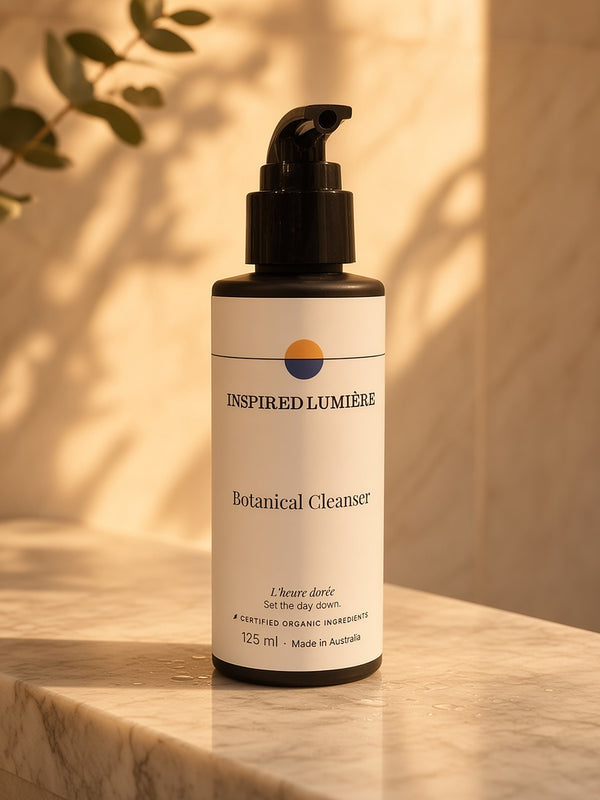
Ours is the Lumière Botanical Cleanser.
This article is general information, not personal advice. If you have a skin condition or take prescribed medication, talk to your GP or dermatologist.