Two jars, near-identical ingredient lists, and about forty dollars between them. It is a fair question whether the distinction is real.
It is — partly. Three of the usual differences are genuine. Three are not.
The three real ones
1. Sunscreen belongs in one and not the other. The single biggest functional difference. A day moisturiser may carry SPF; a night one has no reason to. If your day cream is doing sun protection work, that is not marketing, that is the most useful thing in your routine.
Worth knowing that a moisturiser with SPF is rarely applied at the quantity the rating assumes. Most people use a third of what the testing used. That does not make it useless; it makes it a supplement to actual sunscreen rather than a replacement.
2. Skin loses more water overnight. This one is genuinely measurable. Transepidermal water loss rises during sleep, and skin temperature goes up slightly, which increases it further. A richer, more occlusive texture at night is a sensible response to a real thing, not a story.
3. Texture has a different job in daylight. A night cream does not have to sit under sunscreen, foundation, or a work day. It can be heavier, greasier, and slower to absorb, because nothing is going on top of it and nobody is looking at you. That freedom is why night creams feel nicer.
The three invented ones
"Skin repairs itself at night, so use repair ingredients at night." Skin repair does follow a daily rhythm. But the ingredient in your jar does not know what time it is, and most actives work on a timescale of weeks. The exception is genuine: vitamin A goes at night because it degrades in light, which is a chemistry reason, not a circadian one.
"Night creams are more concentrated." Sometimes. Often the same formula in a heavier base with a higher price. Compare the two ingredient lists side by side — brands that are doing something different are usually pleased to tell you what.
"You need both." You need moisturiser that suits your skin and sun protection in the morning. Whether that is one product or two is a matter of preference and budget.
What to actually do
If you own one moisturiser, use it twice a day and wear sunscreen in the morning. That is a complete, defensible routine and it beats most two-jar routines run badly.
If you own two, put the richer one at night, and do not let the day one be your only sun protection.
And if the night cream is where your actives live, keep the evening simple around it. Retinol plus acids plus a rich cream is a lot of variables to change at once — the order genuinely matters less than most charts suggest, but the number of things does not.
The awkward exception
In a hot, humid Australian summer, a rich night cream can be too much — you wake up shiny and congested. It is entirely reasonable to use a lighter texture through February and a richer one in July. Seasonal switching is one of the few genuinely useful reasons to own two, and it has nothing to do with day versus night.
Related reading
- Hyaluronic acid in a dry climate: the mistake that backfires
- Skincare for an Australian summer: what actually changes
- How to tell if your cleanser is stripping your skin
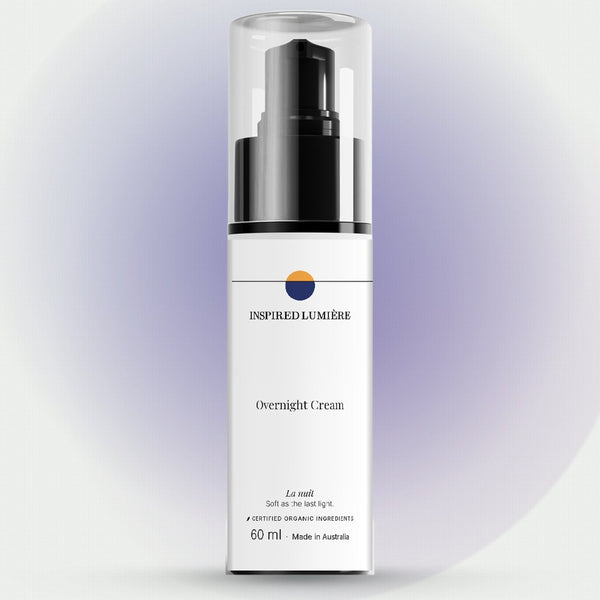
Ours is the Lumière Overnight Cream.
This article is general information, not personal advice. If you have a skin condition or take prescribed medication, talk to your GP or dermatologist.